Where Rivets Matter Most in Truck & Trailer Manufacturing
In truck and trailer manufacturing, fastening decisions are rarely about the part alone. They are about performance under constant vibration, exposure to the elements, and the realities of high-volume production.
Rivets continue to play a critical role across trailer assembly—not because they are simple, but because they solve complex challenges efficiently. From structural integrity to assembly speed, the right rivet choice directly impacts durability, throughput, and long-term reliability.
Understanding where rivets matter most helps engineers and procurement teams make better, more consistent decisions across the build.
Side Panels and Trailer Skins
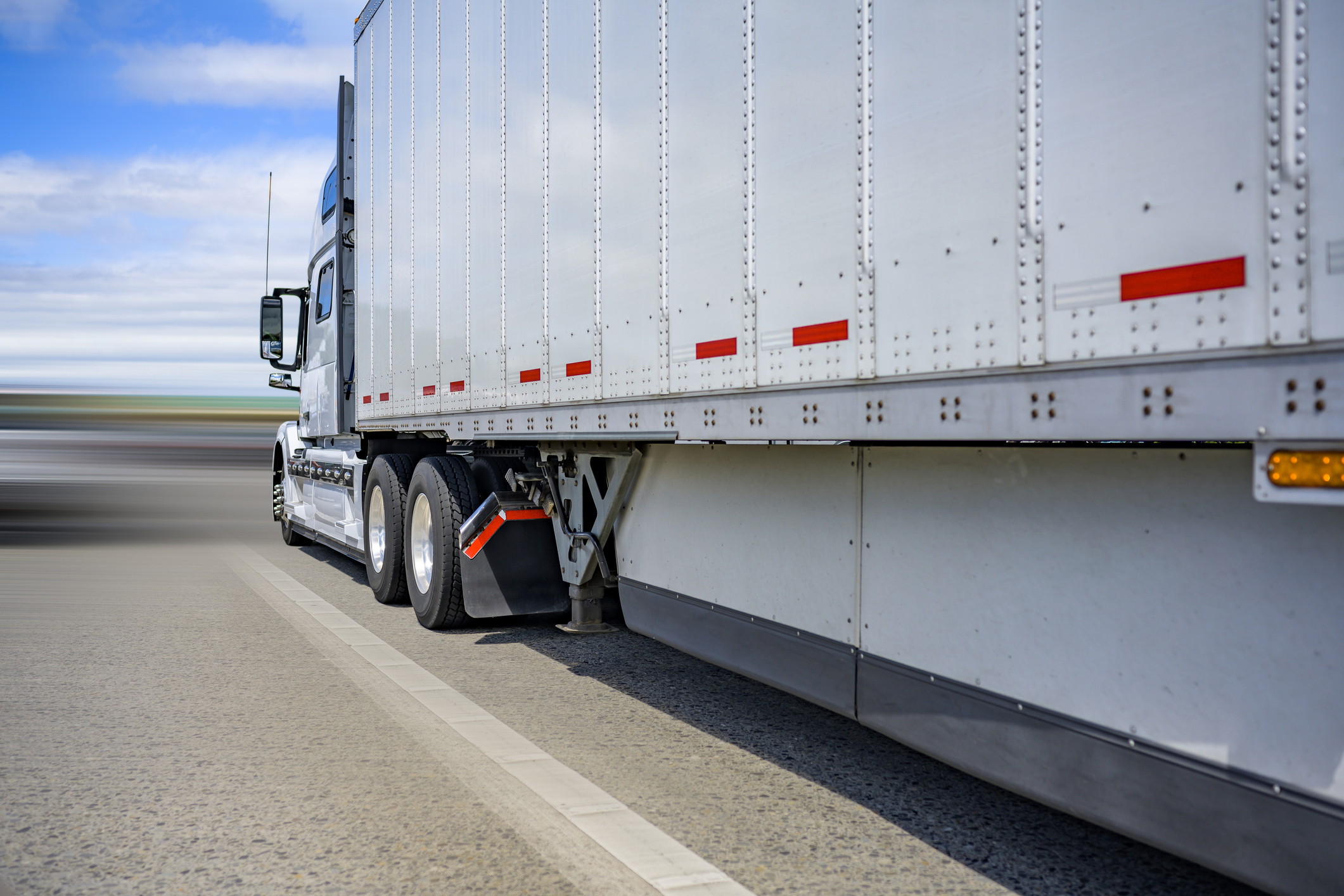
One of the most visible—and critical—applications for rivets is securing trailer side panels and skins.
These large surface areas are constantly exposed to wind loads, road vibration, and environmental conditions. Rivets provide a consistent clamping force without introducing heat distortion, which is especially important for aluminum panels.
Blind rivets are commonly used here because they allow for fast, one-sided installation, keeping production lines moving while maintaining uniform joint integrity.
Key considerations:
- Material compatibility (aluminum vs. steel)
- Corrosion resistance and coatings
- Consistent grip range for panel thickness variation
Roof Assemblies
Roof assemblies require fastening solutions that can handle both structural stress and environmental exposure.
Rivets are used to secure roof bows and panels, creating tight, durable seams that resist leaks and long-term fatigue. Because these joints are exposed to weather year-round, proper rivet selection plays a major role in preventing water intrusion and corrosion.
Key considerations:
- Seal integrity to prevent leaks
- Resistance to thermal expansion and contraction
- Long-term fatigue performance
Door Frames and Rear Closures
Rear doors and closures are high-use, high-stress areas where reliability is non-negotiable.
Rivets are used extensively in door frames, hinges, and latch mounting points. These components experience repeated opening and closing cycles, along with vibration during transit. Structural rivets are often specified to maintain joint strength over time.
Key considerations:
- Shear and tensile strength requirements
- Resistance to loosening under repeated motion
- Compatibility with hinges and access hardware
Flooring Systems and Crossmembers
In flooring systems, rivets are used to secure components to crossmembers and support structures.
These applications demand higher strength and durability, particularly in trailers carrying heavy or shifting loads. Structural rivets provide strong, vibration-resistant joints without the need for welding in certain assemblies.
Key considerations:
- Load-bearing requirements
- Resistance to fatigue from road conditions
- Installation consistency across high volumes
Interior Components and Mounting Applications
Beyond structural elements, rivets are widely used for mounting interior components such as wiring brackets, lighting fixtures, and paneling.
These applications benefit from the speed and flexibility of blind rivets, especially when access is limited. Consistency is key, particularly when installing across multiple trailer configurations.
Key considerations:
- Ease of installation in tight spaces
- Clean appearance for finished interiors
- Compatibility with mixed materials
Why Rivet Selection Matters More Than It Seems
While these applications vary, the underlying challenge is the same: selecting a fastening solution that performs reliably under real-world conditions.
That is where both product quality and application expertise come into play. Working with proven manufacturers like Goebel Fasteners helps ensure consistency in performance, while a knowledgeable distribution partner ensures the right rivet is specified for the job—not just stocked.
At NAPPCO, the focus is not simply on supplying rivets. It is on helping customers align product selection with application requirements, production goals, and long-term performance expectations.
Final Thought
Rivets may be a small part of the overall build, but their impact is anything but small.
From exterior panels to structural supports, the right rivet choice contributes to durability, efficiency, and product quality across every trailer that leaves the line.
Need help selecting the right rivet for your application? NAPPCO works with manufacturers to evaluate requirements, recommend solutions, and ensure consistent supply across high-volume production.