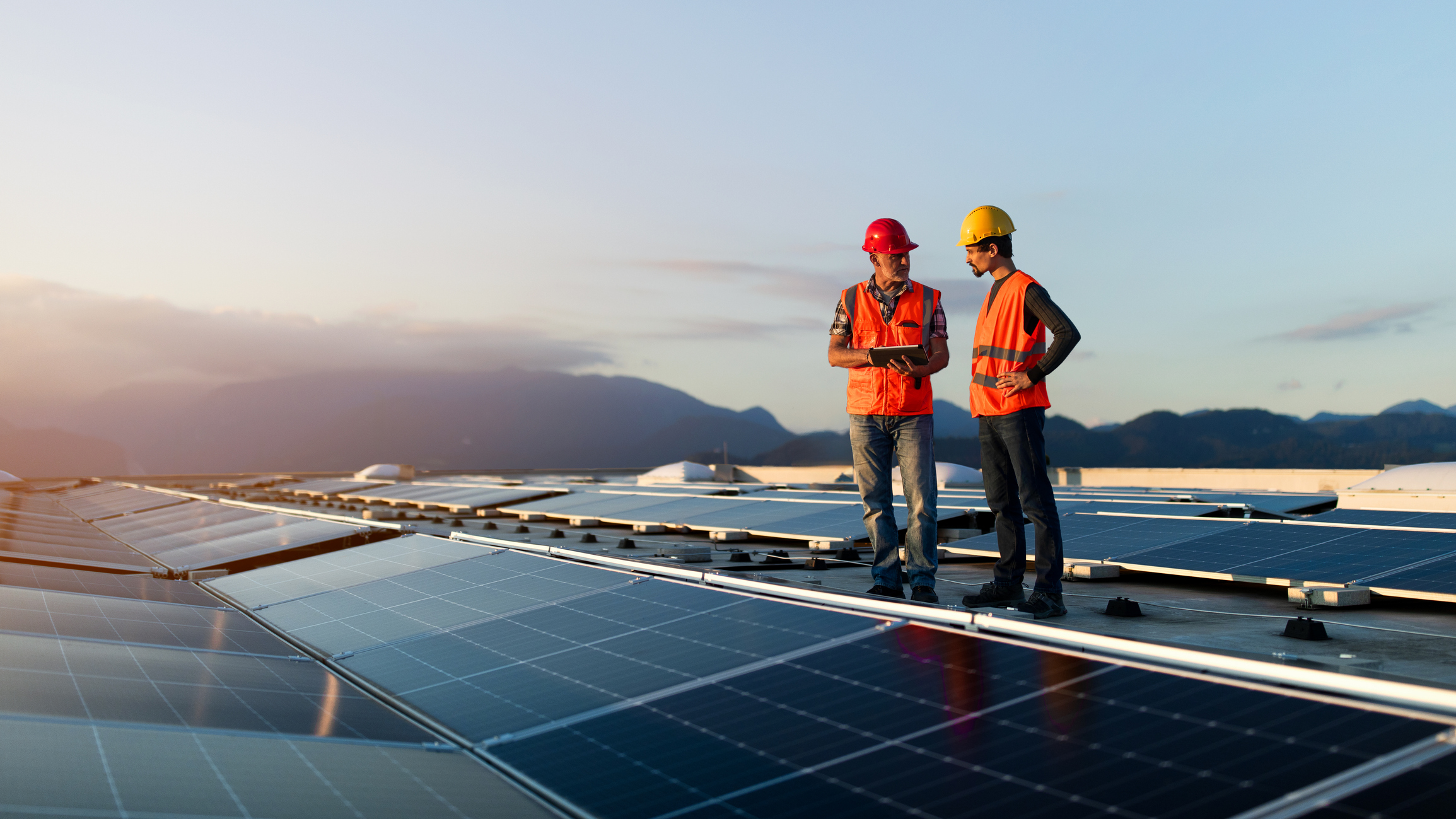
The renewable energy industry continues to grow as manufacturers scale production of solar panels, wind turbines, battery storage systems, EV charging infrastructure, and other clean energy technologies.
As production increases, so do the demands placed on procurement and engineering teams. They are expected to maintain quality, manage costs, and keep production on schedule, all while navigating changing designs and evolving supply chains.
Fasteners may account for only a small percentage of the overall bill of materials, but sourcing the right products at the right time can have a significant impact on manufacturing efficiency and long-term product performance.
Here are five sourcing challenges many renewable energy manufacturers face and practical ways to address them.
1. Long Lead Times
Many renewable energy applications rely on specialized fasteners that are not always readily available. When lead times extend unexpectedly, production schedules can quickly be affected.
Waiting on a single component can delay assemblies, create scheduling challenges, and increase expediting costs.
How to overcome it:
- Work with suppliers that maintain inventory of commonly used products.
- Share production forecasts whenever possible.
- Identify approved alternate products before they become necessary.
Planning ahead helps reduce surprises when demand changes.
2. Corrosion Resistance Requirements
Renewable energy equipment is frequently exposed to harsh outdoor environments. Solar mounting systems, wind turbine components, and energy storage enclosures all face moisture, UV exposure, temperature fluctuations, and corrosive conditions throughout their service life.
Selecting the wrong material or finish can shorten product life and increase maintenance costs.
How to overcome it:
Evaluate environmental conditions during the design phase and select materials, coatings, and finishes that are appropriate for the application rather than simply choosing a standard fastener.
3. Engineering Changes During Production
Design improvements are common as renewable energy products evolve. Unfortunately, specification changes can create sourcing challenges if replacement parts have not been evaluated.
A revised hole size, material thickness, or assembly method may require an entirely different fastening solution.
How to overcome it:
Bring suppliers into the conversation early. Experienced fastening specialists can often recommend equivalent or improved products that meet performance requirements while minimizing disruption to production.
4. Quality and Traceability
Reliability is critical in renewable energy applications where equipment is expected to perform for decades.
Procurement teams increasingly need suppliers that can provide consistent quality, documentation, and traceability when required.
Without those controls, manufacturers may experience inconsistent assembly, increased rework, or unnecessary warranty concerns.
How to overcome it:
Choose suppliers that maintain strong quality systems, partner with reputable manufacturers, and can provide documentation to support your quality requirements.
5. Balancing Inventory Without Creating Stockouts
Too much inventory ties up working capital.
Too little inventory creates production delays.
Finding the right balance becomes even more challenging as production volumes fluctuate or new projects come online.
How to overcome it:
Inventory management programs such as vendor-managed inventory (VMI), bin stocking, and forecasting can help manufacturers improve product availability while reducing excess inventory throughout the facility.
The goal is to have the right products available when they’re needed without overinvesting in stock.
Building a Stronger Sourcing Strategy
For renewable energy manufacturers, fastener sourcing is about more than purchasing parts.
It is about building a supply chain that supports production goals, adapts to engineering changes, and delivers consistent quality over the life of the product.
Working with suppliers that understand both the technical and operational side of fastening can help manufacturers reduce risk, improve efficiency, and keep production moving.
As renewable energy manufacturing continues to expand, those partnerships become increasingly valuable.
Key Takeaways
- Plan ahead for specialized fasteners with longer lead times.
- Match materials and finishes to the operating environment.
- Involve suppliers early when designs or specifications change.
- Prioritize quality, consistency, and traceability.
- Use inventory management strategies to reduce stockouts while controlling costs.